
Internet Protocol Television (IPTV) has changed the way people consume television content. Instead of relying on traditional cable or satellite networks, IPTV delivers TV channels and on-demand content over an internet connection. As IPTV continues to grow in popularity, many users are curious about the different types of IPTV services available and how they work.
Whether you're new to IPTV or looking to understand its features better, this guide explains the main types of IPTV services, their advantages, and how to choose the right option for your needs.
What Is IPTV?
IPTV (Internet Protocol Television) is a system that delivers television programming through internet protocol (IP) networks instead of traditional broadcasting methods like satellite, cable, or terrestrial signals.
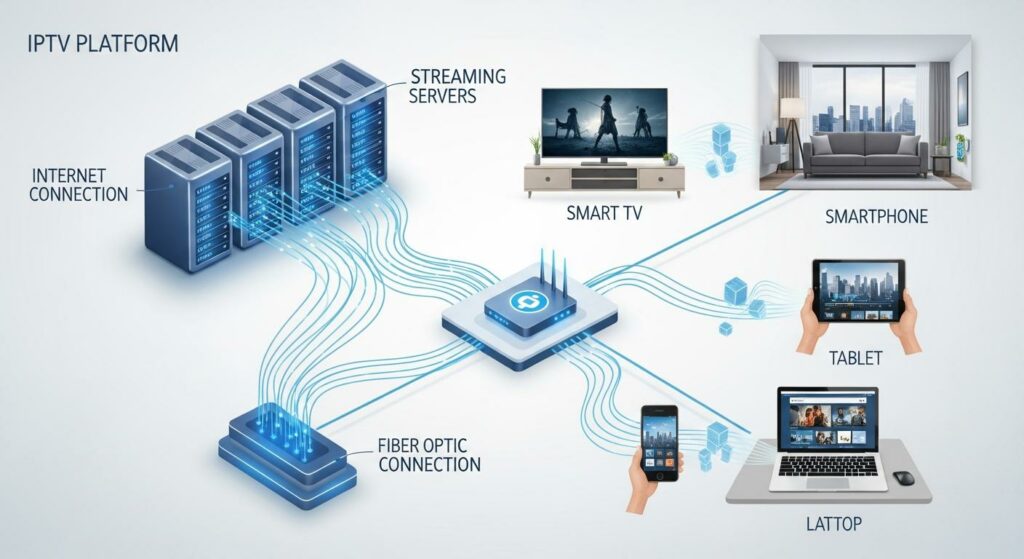
With IPTV, users can watch live TV, movies, TV shows, sports, and other digital content on internet-connected devices such as:
- Smart TVs
- Android TV boxes
- Amazon Fire TV Stick
- Smartphones
- Tablets
- Computers
- Streaming devices
Unlike conventional television, IPTV gives users greater flexibility, allowing them to watch content whenever and wherever they have a stable internet connection.
How IPTV Services Work
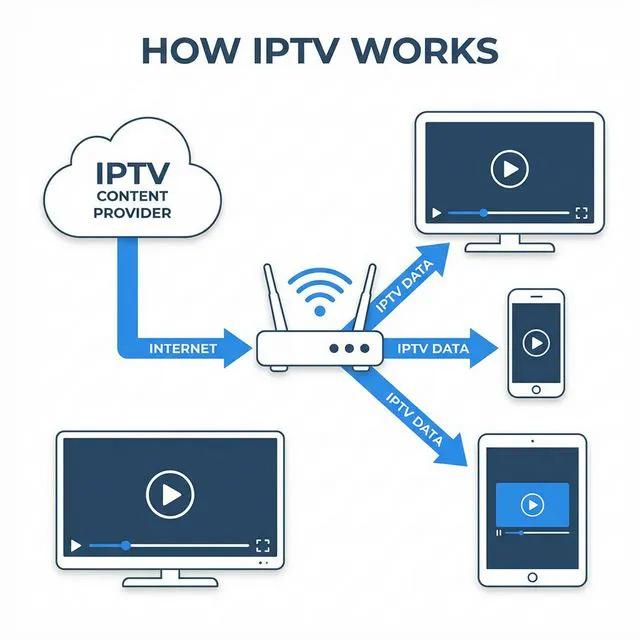
IPTV providers store or broadcast television content through internet servers. When a user selects a channel or video, the content is delivered over the internet directly to their device.
Unlike downloading an entire video file before watching, IPTV streams content in real time, reducing waiting times and offering a smooth viewing experience.
The quality of the stream depends on several factors, including internet speed, server performance, and device compatibility.
Main Types of IPTV Services
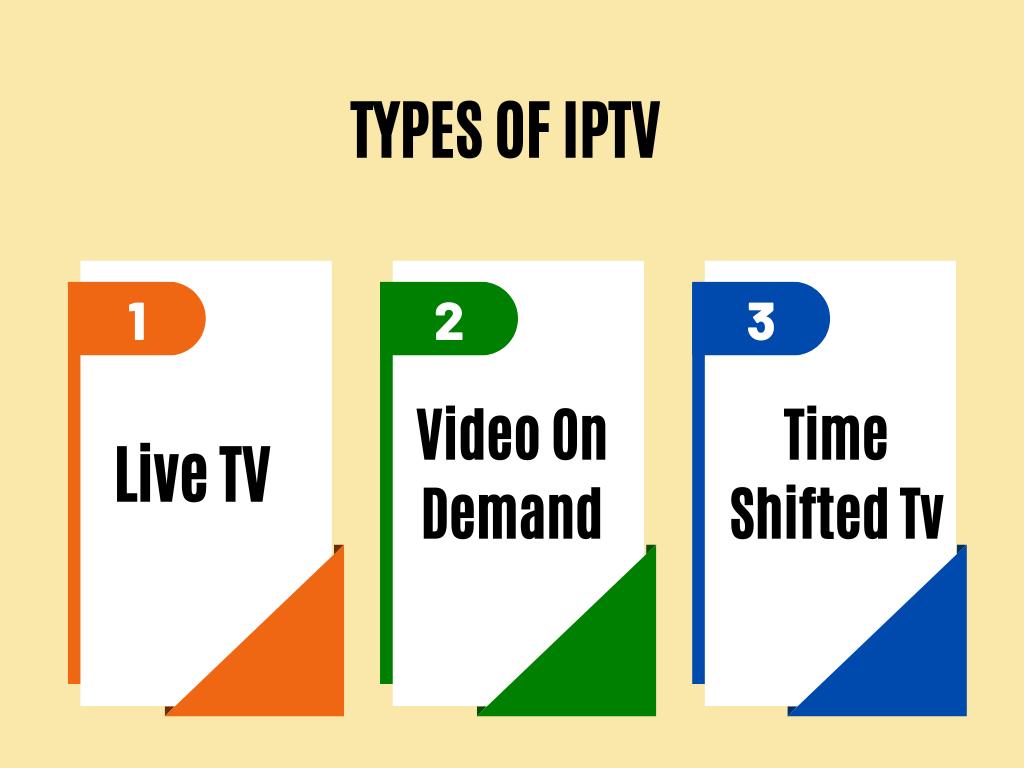
Although IPTV services vary between providers, they generally fall into four main categories.
1. Live IPTV (Live Television)
Live IPTV is the most familiar type of IPTV service because it closely resembles traditional television.
Users watch television channels as they are being broadcast in real time.
Common Content
- News channels
- Sports events
- Entertainment channels
- Music channels
- Children's programming
- International television
Advantages
- Watch live sports and breaking news
- Real-time television experience
- Hundreds or even thousands of channels
- Accessible on multiple devices
Best For
People who enjoy watching television as it happens, including live sports, news, and special events.
2. Video on Demand (VOD)
Video on Demand (VOD) allows viewers to watch content whenever they choose instead of following a fixed broadcast schedule.
Users simply browse a content library and select what they want to watch.
Common Content
- Movies
- TV series
- Documentaries
- Educational videos
- Kids' content
Advantages
- Watch anytime
- Pause and resume
- Fast-forward and rewind
- Large content libraries
- Personalized viewing
Best For
People who prefer watching movies and TV shows on their own schedule.
3. Catch-Up TV
Catch-Up TV allows viewers to watch programs that were previously broadcast live.
Many providers store television programs for a limited period, allowing users to watch missed episodes without recording them.
Features
- Replay recently aired programs
- Miss fewer favorite shows
- Easy navigation by date or channel
- Convenient for busy schedules
Best For
Viewers who occasionally miss live broadcasts but still want to watch them later.
4. Time-Shifted IPTV
Time-Shifted IPTV lets users pause, rewind, or restart live television while it is still being broadcast.
Unlike Catch-Up TV, which provides access after a program has ended, Time-Shifted TV works during the live broadcast itself.
Features
- Pause live TV
- Rewind live broadcasts
- Resume where you left off
- Restart programs already in progress
Best For
Users who want more control over live television without missing important moments.
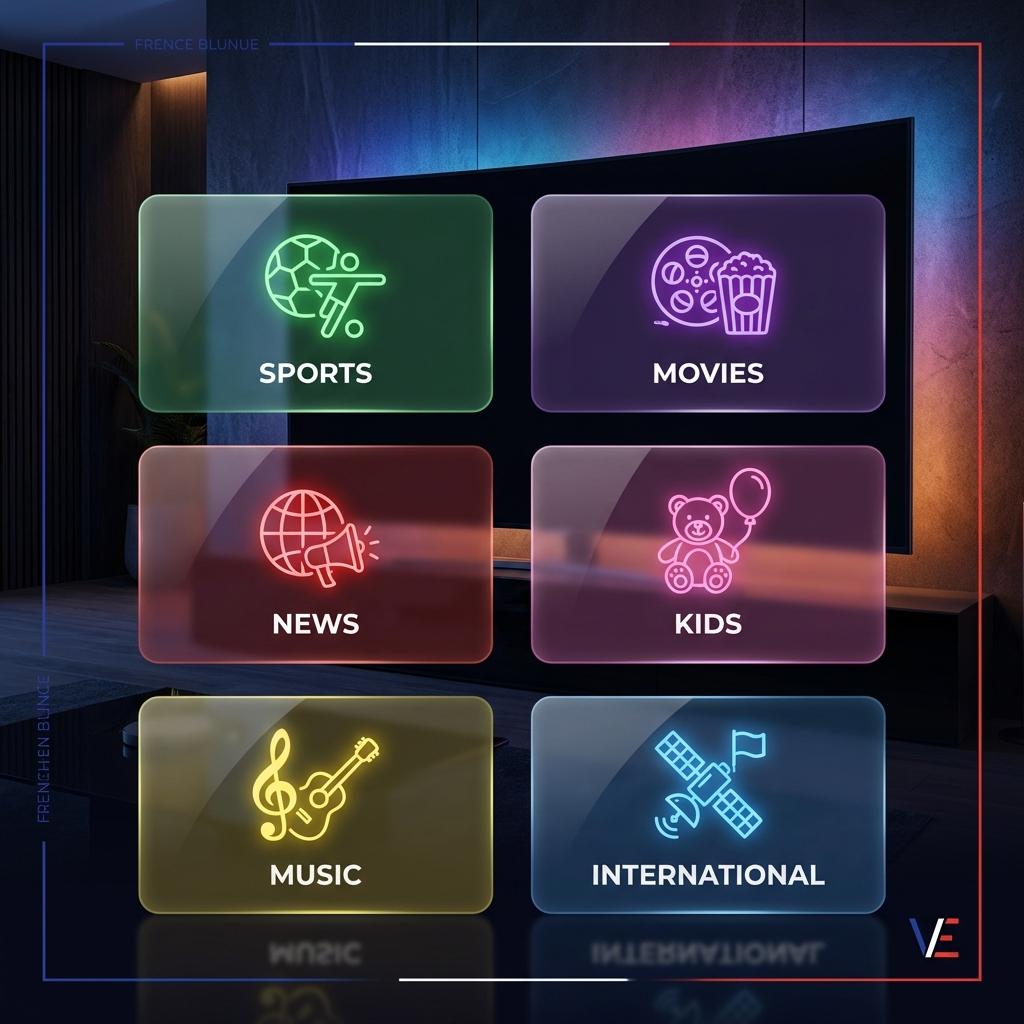
Additional IPTV Service Categories
Many IPTV providers also organize their services into specialized categories.
Sports IPTV
Designed for sports enthusiasts, these services focus on:
- Live football
- Cricket
- Basketball
- Tennis
- Formula racing
- International sporting events
Entertainment IPTV
Offers:
- Drama channels
- Reality TV
- Comedy
- Lifestyle programming
- Celebrity content
Movie IPTV
Dedicated movie libraries featuring:
- Action
- Comedy
- Romance
- Horror
- Sci-Fi
- Family films
Kids IPTV
Includes age-appropriate entertainment such as:
- Cartoons
- Educational videos
- Animated movies
- Learning programs
Many services also include parental controls.
International IPTV
International IPTV provides television channels from multiple countries, making it easier for viewers to watch content in their preferred language or stay connected with programming from abroad.
IPTV by Subscription Model
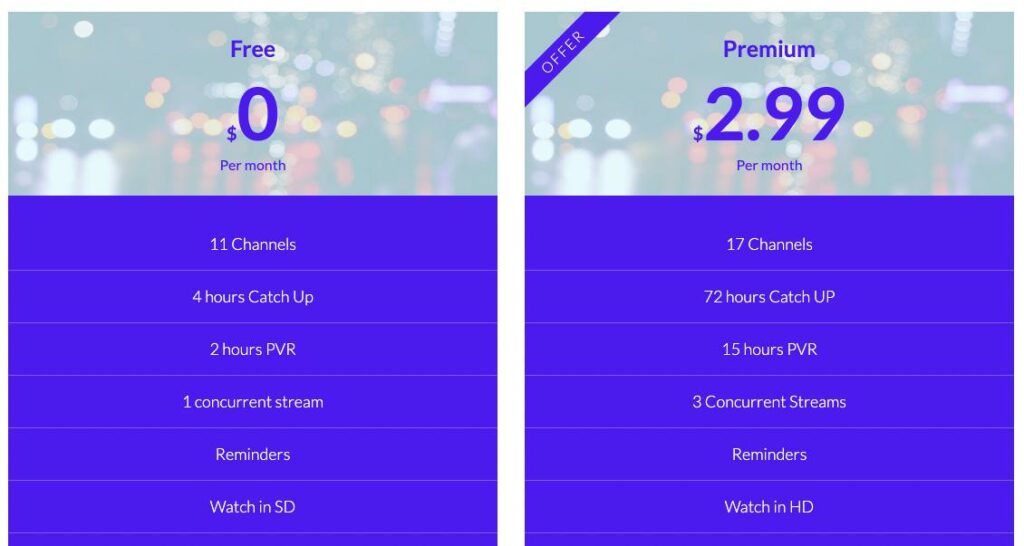
IPTV services can also be categorized based on how users access them.
Free IPTV
Some IPTV platforms offer free channels supported by advertising or publicly available broadcasts.
Advantages include:
- No subscription fee
- Easy access
- Suitable for casual viewers
However, free services often provide fewer channels and features than paid options.
Paid IPTV
Paid IPTV subscriptions typically offer:
- Larger channel selections
- Better streaming quality
- HD and 4K support
- Customer support
- Additional features such as Catch-Up TV and VOD
Before subscribing, users should verify that the provider is authorized to distribute the content offered and complies with applicable copyright laws.
IPTV Compared with Traditional Television
| Feature | IPTV | Cable TV | Satellite TV |
| Internet Required | Yes | No | No |
| On-Demand Content | Yes | Limited | Limited |
| Multi-Device Support | Yes | Limited | Limited |
| Pause Live TV | Often | Sometimes | Sometimes |
| Catch-Up TV | Often | Limited | Limited |
| Flexible Viewing | Excellent | Moderate | Moderate |
Benefits of Different IPTV Services
Different IPTV service types meet different viewing preferences.
Some of the key benefits include:
- Flexible viewing schedules
- Wide variety of content
- Multi-device compatibility
- HD and 4K streaming (where available)
- Interactive viewing features
- Personalized entertainment experience
How to Choose the Right IPTV Service
Before selecting an IPTV service, consider the following:
- The types of content you watch most often
- Whether you prefer live TV or on-demand viewing
- Device compatibility
- Streaming quality
- Internet speed requirements
- Availability of customer support
- Licensing and content authorization
Choosing a provider that clearly explains its services and operates within applicable copyright laws can help ensure a more reliable viewing experience.
Frequently Asked Questions
Which IPTV service type is most popular?
Live IPTV and Video on Demand (VOD) are among the most widely used IPTV service types because they combine real-time television with flexible, on-demand viewing.
Can one IPTV provider offer multiple service types?
Yes. Many IPTV providers include Live TV, VOD, Catch-Up TV, and Time-Shifted TV within a single subscription, although available features vary by provider.
Do all IPTV services require the internet?
Yes. IPTV relies on an internet connection to stream television channels and video content.
Is IPTV better than cable TV?
The answer depends on individual preferences. IPTV generally offers greater flexibility and on-demand viewing, while cable TV may appeal to users who prefer traditional channel packages without relying on an internet connection.
Are all IPTV services legal?
No. IPTV is a legitimate technology, but not every provider is authorized to distribute the content it offers. Before subscribing, check that the service has the appropriate rights or licenses for its programming.
Final Thoughts
IPTV offers a flexible way to enjoy television content over the internet, with different service types designed to suit a variety of viewing habits. Whether you enjoy watching live sports, binge-watching movies, catching up on missed programs, or pausing live TV, there is an IPTV service type that can match your needs.
Understanding the differences between Live IPTV, Video on Demand, Catch-Up TV, and Time-Shifted TV can help you choose a service that aligns with your preferences. When selecting an IPTV provider, prioritize transparency, reliable performance, and properly authorized content to ensure a safe and enjoyable streaming experience.