
Internet Protocol Television (IPTV) has transformed the way people watch television. Instead of relying on cable or satellite services, IPTV delivers television channels and on-demand content through an internet connection.
With thousands of IPTV services available online, many people ask the same question:
Is IPTV legal?
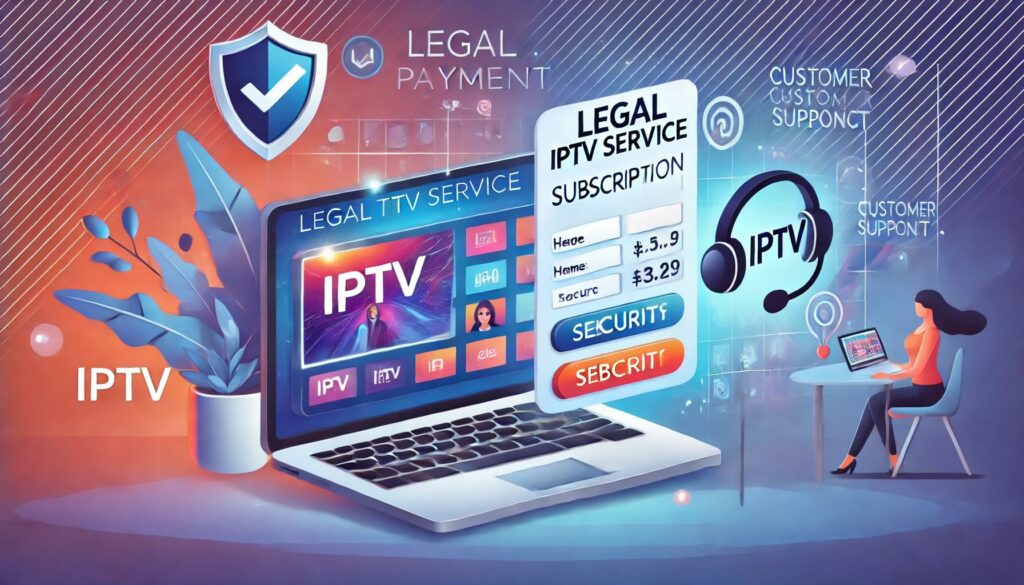
The short answer is yes—but not every IPTV service is legal.
Whether IPTV is legal depends entirely on how the content is licensed and distributed. In this guide, we'll explain everything you need to know about IPTV legality, how to recognize legal providers, and how to avoid illegal streaming services.
What Is IPTV?
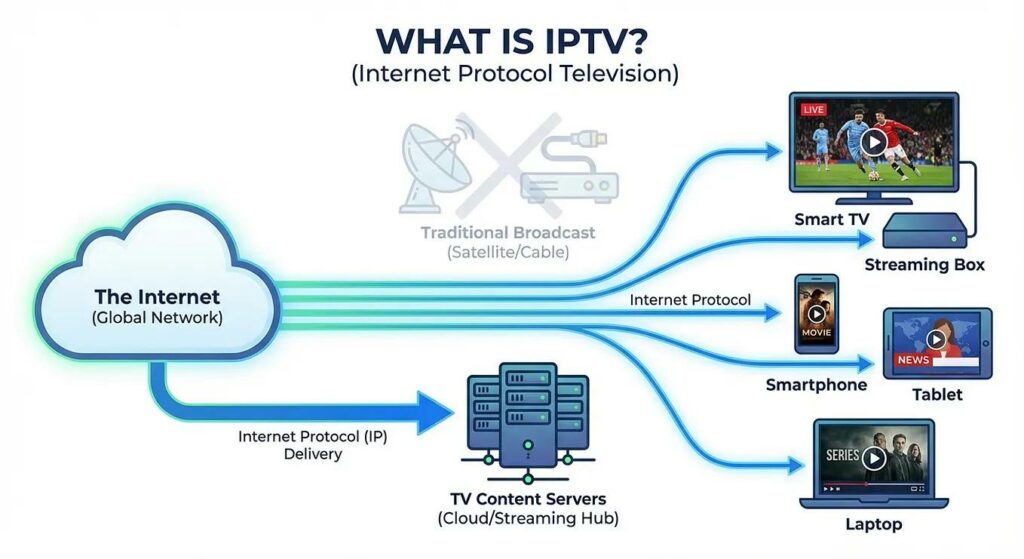
IPTV (Internet Protocol Television) is a technology that delivers TV content over the internet rather than through traditional broadcasting methods like satellite, cable, or antenna.
Users can stream:
- Live TV channels
- Movies
- TV shows
- Sports events
- Video-on-demand (VOD)
- Catch-up TV
Unlike conventional television, IPTV allows viewers to watch content on multiple internet-connected devices, including:

- Smart TVs
- Android TV boxes
- Smartphones
- Tablets
- Computers
- Streaming devices like Fire TV Stick
Is IPTV Legal?
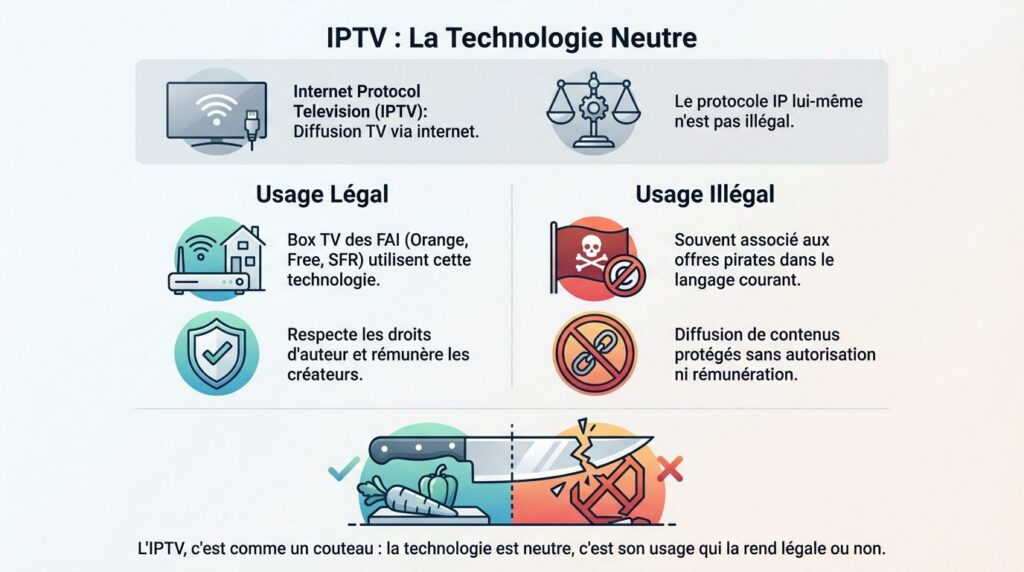
Yes, IPTV itself is completely legal.
The technology behind IPTV is no different from streaming services like Netflix, Hulu, Disney+, or YouTube TV.
The legal issue isn't the technology—it's whether the IPTV provider has permission to distribute the content.
Legal IPTV
A legal IPTV provider:
- Purchases broadcasting rights
- Signs licensing agreements
- Pays copyright holders
- Operates as a registered business
- Complies with local copyright laws
Illegal IPTV
An illegal IPTV provider:
- Streams copyrighted channels without permission
- Offers premium content at unrealistically low prices
- Does not own broadcasting rights
- Often hides company information
- May disappear without notice

In simple terms:
Legal IPTV = Licensed Content
Illegal IPTV = Unauthorized Content
Why Some IPTV Services Are Illegal
Television channels, sports broadcasts, and movies are protected by copyright laws.
Companies spend millions of dollars obtaining broadcasting rights.
Illegal IPTV providers bypass these licensing agreements and redistribute the content without permission.
Examples include:
- Premium sports channels
- Pay-per-view events
- Hollywood movies
- Premium cable networks
- International television packages
Because they don't pay licensing fees, these providers can offer thousands of channels for a fraction of the normal cost.
Is Watching Illegal IPTV Against the Law?
The answer depends on your country.
Different countries have different copyright laws.
In many regions:
- Operating an illegal IPTV service is a criminal offense.
- Selling illegal IPTV subscriptions is illegal.
- Distributing copyrighted streams without permission is illegal.
Some countries also impose penalties on users who knowingly access pirated IPTV services.
Because copyright laws vary worldwide, it's important to understand your local regulations before subscribing to any IPTV provider.
How to Identify a Legal IPTV Provider
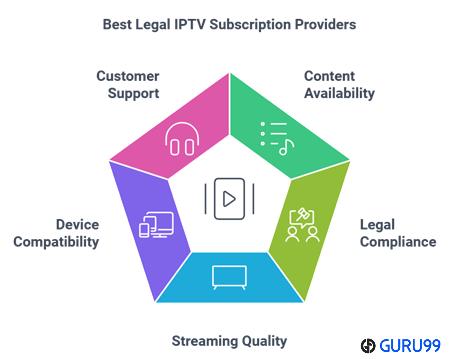
Before purchasing an IPTV subscription, look for these signs.
1. Official Website
Legitimate providers have:
- Professional websites
- Company information
- Customer support
- Privacy policy
- Terms of service
2. Licensed Content
Legal IPTV companies clearly state that their content is licensed.
They often partner directly with broadcasters or content owners.
3. Transparent Pricing
If a provider offers:
- 20,000+ channels
- Every premium sports network
- All Netflix content
- Every movie ever released
for only a few dollars per month, that's a major warning sign.
If it sounds too good to be true, it probably is.
4. Secure Payment Methods
Legal businesses generally accept:
- Credit cards
- PayPal
- Official payment gateways
Be cautious of services that only accept cryptocurrency or other difficult-to-trace payment methods.
5. Customer Support
Reliable IPTV providers offer:
- Live chat
- Email support
- Help center
- Refund policies
Common Signs of Illegal IPTV Services
Watch out for these red flags:
- Extremely cheap lifetime subscriptions
- Thousands of premium channels for a very low price
- No company address
- No licensing information
- Anonymous owners
- No refund policy
- Frequent website changes
- Requests for payment only through cryptocurrency
The more warning signs you see, the more cautious you should be.
Risks of Using Illegal IPTV
Many people only think about the low subscription price.
However, illegal IPTV comes with several risks.
Legal Issues
Depending on your country, accessing pirated streams could violate copyright laws.
Service Shutdowns
Illegal IPTV services are often shut down by authorities.
Users can suddenly lose access without receiving refunds.
Security Risks
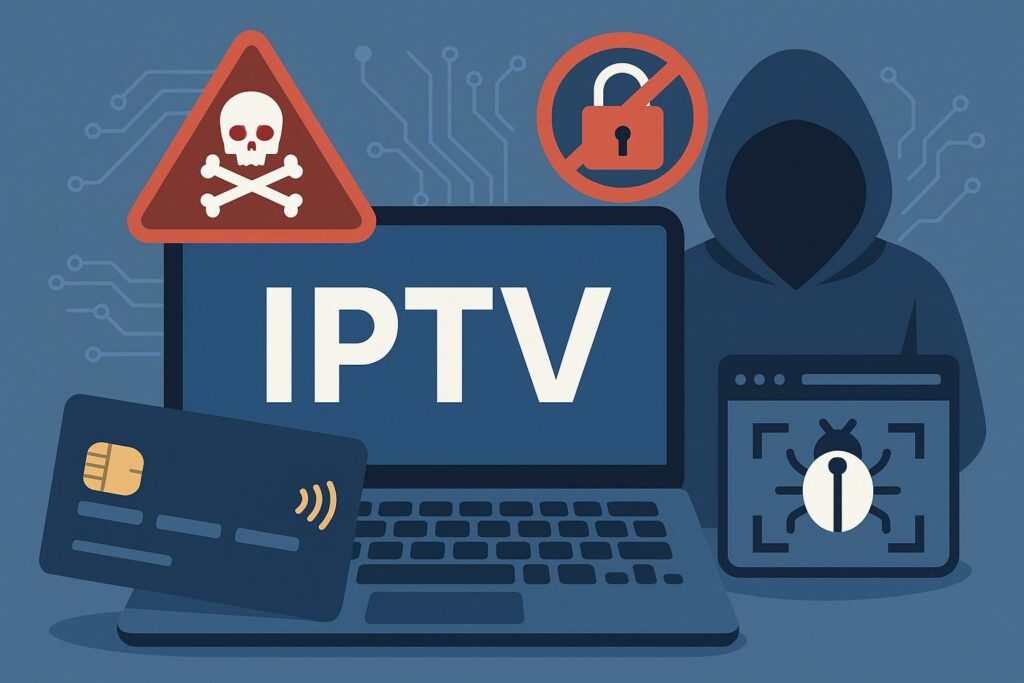
Some unofficial IPTV apps contain:
- Malware
- Spyware
- Tracking software
- Fake login pages
These can compromise your personal information.
Poor Streaming Quality
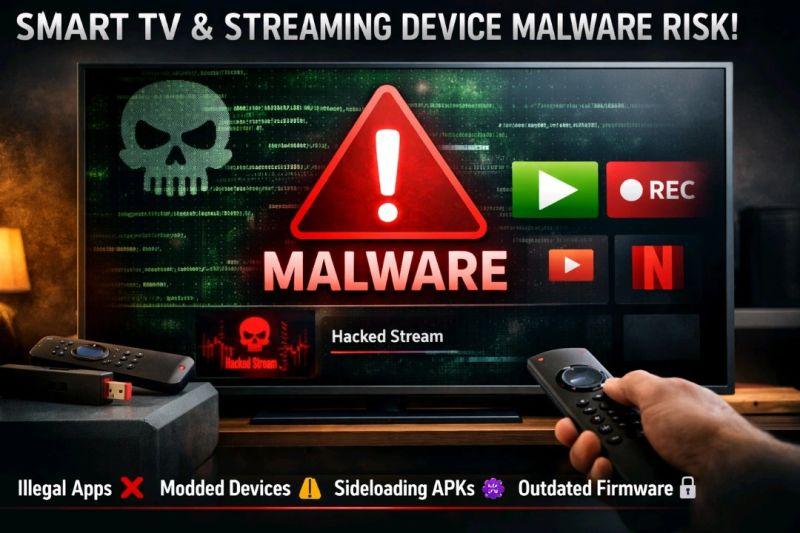
Illegal IPTV providers often suffer from:
- Buffering
- Frequent outages
- Broken channels
- Poor customer support
Benefits of Choosing Legal IPTV

Using a licensed IPTV provider offers several advantages.
Reliable Service
Legal providers maintain stable servers with consistent streaming quality.
Better Video Quality
Many offer:
- HD
- Full HD
- 4K streaming
with minimal interruptions.
Customer Support
You'll have access to professional support if you encounter technical issues.
Regular Updates
Channels, apps, and features are updated regularly.
Peace of Mind
You can enjoy content knowing you're using a legitimate service.
Examples of Legal IPTV Services

Many well-known streaming television services operate legally through licensing agreements.
Examples include:
- YouTube TV
- Hulu + Live TV
- Sling TV
- Fubo
- DirecTV Stream
- Philo
Availability varies depending on your country or region.
Frequently Asked Questions

Is IPTV legal in the United States?
Yes. IPTV is legal when the provider has obtained proper licenses to distribute the content.
Is IPTV legal in the UK?
Yes. Licensed IPTV providers are legal, while unauthorized streaming services that distribute copyrighted content without permission are not.
Can I get in trouble for using illegal IPTV?
Laws differ by country. In some jurisdictions, operators and distributors face the primary enforcement, while in others, users may also face legal consequences for knowingly accessing unauthorized copyrighted content.
Why are some IPTV subscriptions so cheap?
Illegal IPTV providers avoid paying licensing fees, allowing them to offer unusually low prices. This often comes with legal, security, and reliability risks.
Is a VPN enough to make IPTV legal?
No. A VPN can help protect your online privacy, but it does not make an unauthorized IPTV service legal or grant rights to stream copyrighted content.
Tips for Streaming IPTV Safely

If you decide to subscribe to an IPTV service:
- Research the provider before purchasing.
- Read independent customer reviews.
- Verify that the service has proper licensing where possible.
- Use strong passwords for your accounts.
- Keep your streaming device and apps updated.
- Download apps only from trusted sources such as official app stores or the provider's official website.
Final Thoughts
IPTV is a legitimate technology that powers many popular streaming services around the world. However, not all IPTV providers operate legally.
The key difference is licensing. A legal IPTV provider has permission to distribute the content it offers, while illegal services stream copyrighted material without authorization.
Before subscribing, take the time to research the provider, evaluate its transparency, and ensure it operates within applicable copyright laws. Choosing a reputable, licensed IPTV service helps you enjoy reliable streaming while supporting the creators and broadcasters who produce the content you watch.