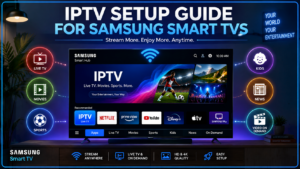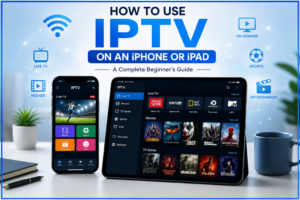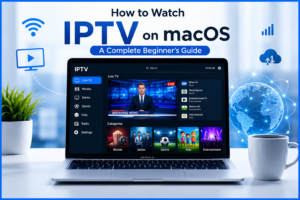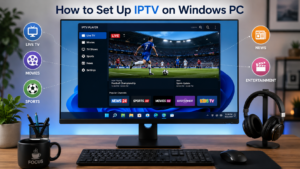
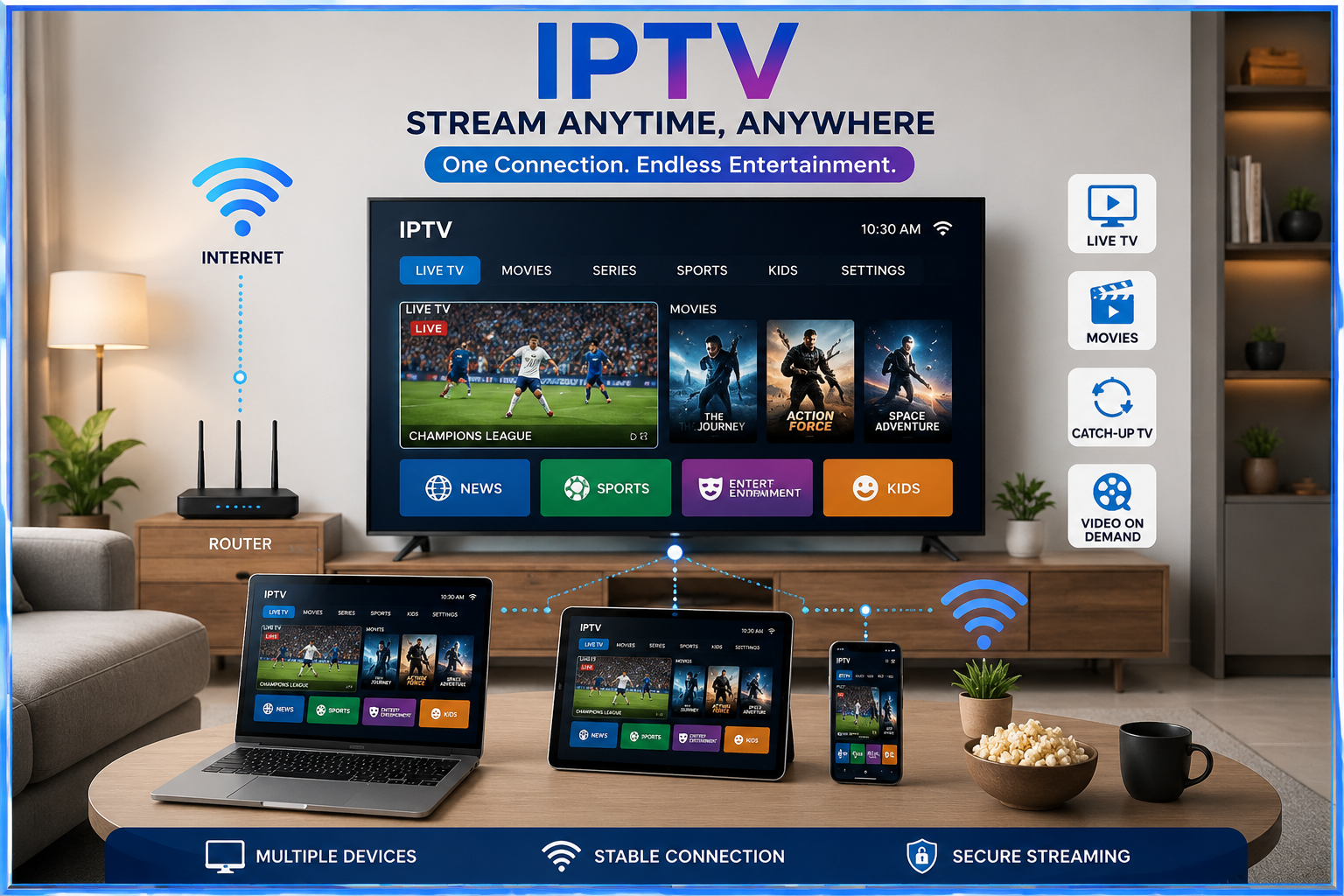
Television has evolved dramatically over the past decade. Instead of relying solely on traditional cable or satellite services, millions of people now stream television content over the internet through Internet Protocol Television (IPTV).
IPTV offers greater flexibility, on-demand content, and access across multiple devices, making it one of the fastest-growing entertainment technologies worldwide. However, like every technology, IPTV has both strengths and weaknesses.
In this guide, we'll explore the advantages and disadvantages of IPTV, helping you decide whether it's the right entertainment solution for your needs.
What Is IPTV?
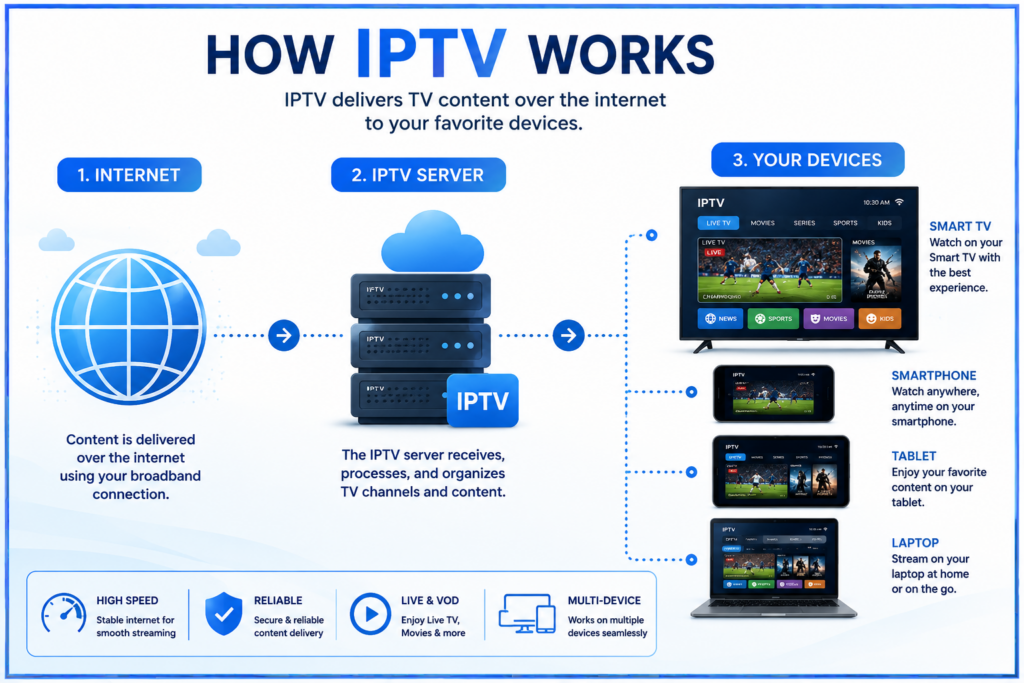
IPTV (Internet Protocol Television) is a technology that delivers television channels, movies, and other video content using an internet connection instead of cable or satellite signals.
Unlike traditional television broadcasting, IPTV allows users to watch live TV, video-on-demand (VOD), catch-up TV, and recorded programs through internet-connected devices.
Popular IPTV-compatible devices include:
- Smart TVs
- Android TV Boxes
- Amazon Fire TV Stick
- Smartphones
- Tablets
- Laptops
- Desktop Computers
All you need is a stable internet connection and an IPTV application or compatible device.
Advantages of IPTV
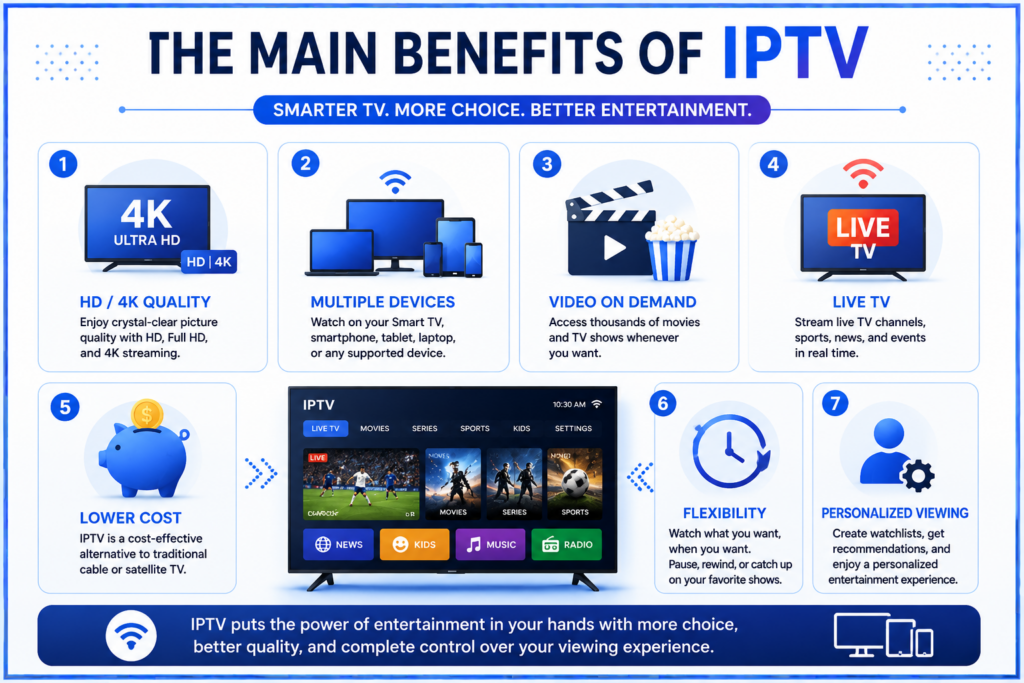
IPTV has become increasingly popular because it offers several benefits over traditional television services.
1. Access Content Anytime
One of IPTV's biggest advantages is flexibility.
Instead of watching programs only when they're broadcast, IPTV allows users to watch many shows whenever they want.
Features often include:
- Video on Demand (VOD)
- Catch-up TV
- Pause and resume
- Replay recently aired programs
This gives viewers far greater control over their entertainment.
2. Wide Variety of Channels
Many IPTV services provide access to:
- Local channels
- International channels
- Sports
- News
- Movies
- Entertainment
- Kids' programming
- Documentaries
- Music channels
Having a broad range of content in one place is a major reason many people choose IPTV.
3. Better Picture Quality
With a fast internet connection, IPTV can deliver:
- HD
- Full HD
- 4K Ultra HD
- Sometimes even 8K (where supported)
Unlike poor cable signals, digital IPTV streams can provide crisp visuals and clear sound.
4. Watch on Multiple Devices
IPTV is not limited to television.
Users can watch content on:
- Smartphones
- Tablets
- Computers
- Smart TVs
- Streaming devices
This flexibility makes it easy to enjoy entertainment at home or while traveling.
5. Cost-Effective Entertainment
Many IPTV services cost less than traditional cable packages.
Potential savings come from:
- Lower monthly subscription fees
- No expensive cable installation
- Fewer equipment requirements
- Flexible subscription plans
However, pricing varies depending on the provider and region.
6. Personalized Viewing Experience
Many IPTV platforms allow users to:
- Create favorite channel lists
- Receive viewing recommendations
- Resume watching
- Access recently viewed content
These features make entertainment more convenient and personalized.
7. Interactive Features
Modern IPTV services often include useful features such as:
- Electronic Program Guide (EPG)
- Search functionality
- Recording support (where available)
- Multiple language options
- Subtitle support
- Playback controls
These tools improve the overall viewing experience.
8. Easy Installation
Unlike satellite TV, IPTV usually doesn't require installing dishes or running new cables.
Most users simply:
- Connect to the internet.
- Install an IPTV app.
- Log in.
- Start watching.
This straightforward setup is appealing to many households.
Disadvantages of IPTV
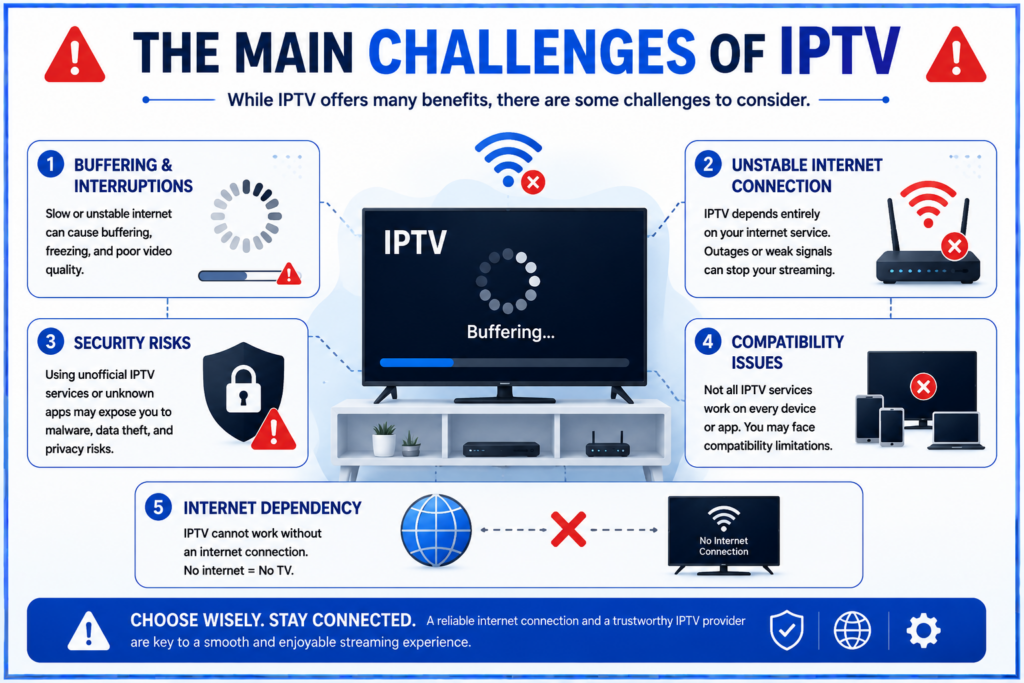
Although IPTV has many benefits, it also comes with some limitations.
1. Requires a Stable Internet Connection
IPTV depends entirely on internet quality.
A slow or unstable connection can cause:
- Buffering
- Freezing
- Poor video quality
- Playback interruptions
For the best experience, a reliable broadband connection is essential.
2. Internet Outages Stop the Service
If your internet service goes down, IPTV usually stops working.
Unlike over-the-air broadcasts or some satellite services, IPTV cannot function without an internet connection.
3. Network Congestion Can Affect Performance
During peak hours, internet congestion may reduce streaming quality.
Symptoms include:
- Delayed loading
- Lower resolution
- Buffering
- Temporary interruptions
Using a high-quality router and a reliable internet provider can help minimize these issues.
4. Some Services May Not Be Legal
Not every IPTV provider operates legally.
Unauthorized services may stream copyrighted content without proper licensing.
Using unlicensed IPTV services can expose users to:
- Service shutdowns
- Poor reliability
- Security risks
- Potential legal consequences, depending on local laws
It's generally safer to choose providers that have the rights to distribute their content.
5. Device Compatibility Issues
Although IPTV supports many devices, not every service works perfectly on every platform.
Some providers may require:
- Specific apps
- Supported operating systems
- Compatible hardware
Users should check compatibility before subscribing.
6. Possible Security Risks
Using unknown IPTV applications or downloading software from unofficial sources can expose users to:
- Malware
- Viruses
- Data theft
- Privacy concerns
Installing apps only from trusted sources helps reduce these risks.
7. Quality Depends on the Provider
Not all IPTV providers deliver the same experience.
A poor-quality service may have:
- Frequent downtime
- Missing channels
- Slow customer support
- Low-quality streams
- Unstable servers
Researching reviews and provider reputation before subscribing is important.
8. Data Usage Can Be High
Streaming high-definition and 4K content consumes significant internet data.
Approximate usage:
| Streaming Quality | Estimated Data Usage per Hour |
| SD | 1–2 GB |
| HD | 2–4 GB |
| Full HD | 3–6 GB |
| 4K UHD | 7–16 GB |
Users with limited data plans should monitor their usage.
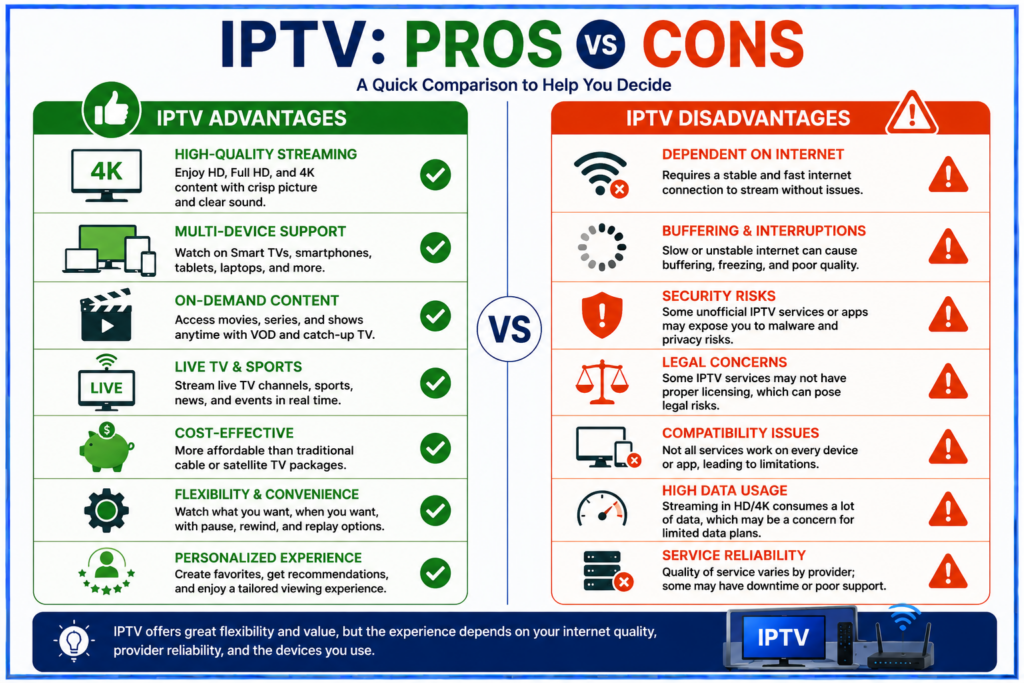
IPTV Advantages vs Disadvantages
| Advantages | Disadvantages |
| Flexible viewing | Requires reliable internet |
| Large channel selection | Buffering on slow connections |
| HD and 4K streaming | Internet outages affect service |
| Works on multiple devices | Some providers operate illegally |
| Lower cost than many cable packages | High data usage |
| On-demand content | Performance varies by provider |
| Easy installation | Potential security risks |
| Interactive features | Compatibility issues on some devices |
Tips for Getting the Best IPTV Experience
To enjoy smoother IPTV streaming:
- Use a high-speed internet connection.
- Connect via Ethernet when possible.
- Keep your streaming device updated.
- Use a modern Wi-Fi router.
- Choose a reputable IPTV provider.
- Avoid unofficial apps and downloads.
- Restart networking equipment occasionally for optimal performance.
Is IPTV Worth It?
For many households, IPTV offers an attractive alternative to traditional television because of its flexibility, wide content selection, and compatibility with multiple devices.
However, the experience depends on having a stable internet connection and choosing a reliable, properly licensed service. Evaluating your viewing habits, internet quality, and preferred features can help determine whether IPTV is the best fit for your needs.
Frequently Asked Questions (FAQs)
Is IPTV better than cable TV?
IPTV offers greater flexibility, on-demand content, and multi-device support. Traditional cable may be more consistent in areas with unreliable internet.
Does IPTV require the internet?
Yes. IPTV delivers television over an internet connection and generally cannot function without it.
Is IPTV expensive?
Costs vary by provider. Many IPTV services are competitively priced compared with traditional cable packages, though features and channel availability differ.
Can IPTV stream in 4K?
Yes. Many IPTV services support 4K streaming, provided the content, device, and internet connection all support that resolution.
Is IPTV safe to use?
Using reputable, licensed IPTV providers and downloading apps from trusted sources is generally safer than relying on unknown or unauthorized services.
Final Thoughts
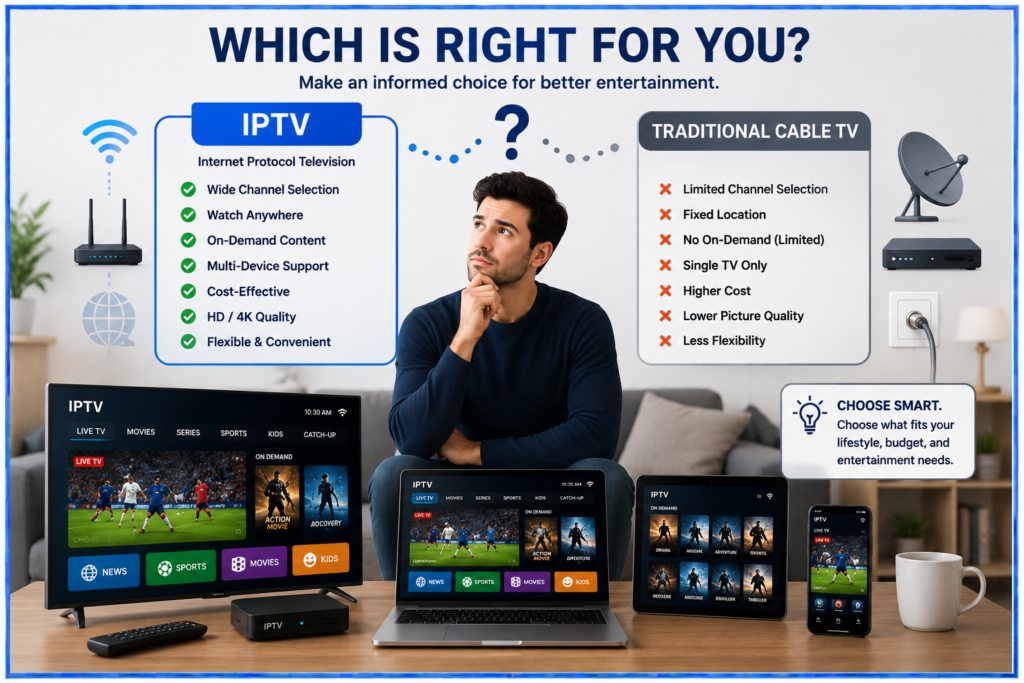
IPTV has transformed the way people watch television by offering greater flexibility, high-quality streaming, and access to content across multiple devices. While it has clear advantages—such as on-demand viewing, broad channel selection, and interactive features—it also has drawbacks, including dependence on a stable internet connection, varying provider quality, and potential legal or security concerns with unauthorized services.
By understanding both the benefits and limitations, you can make a more informed decision and choose an IPTV solution that aligns with your entertainment needs.